Interesting topic.
Framework?
Scientifical realism is, when we are given an object that can be empiricaly studied, by general consensus, the way we look at things.
https://anjanchakravartty.com/wp-content/uploads/2018/05/what-is-scientific-realism.pdf
https://philsci-archive.pitt.edu/28471/1/Scientific%20realism.pdf
1. Objective truth is more important than "subjective truth"
First we have to agree that, it doesn't matter if you believe our solar system is geocentric, it is heliocentric.
In order to think rationaly (i'm supposing you don't want to be irrationnal), when it comes to describing the factual reality or the physical consequences of an action, we have to admit objective and empirical evidence carries more weight than individual feelings.
Believing the grass is purple even tho it is green makes you wrong, whatever your view/opinion may be.
If an objective claim that has been scientificaly and empiricaly proven says that A is bad for you, then except with additionnal proof saying otherwise, we must, in order to be rational, take A as bad for you.
Thinking/believing A is good for you (because A makes you feel good for example) isn't an argument by itself, because if the empirical proofs show that it is bad for you, then the only rational way to think is to believe A is bad for you.
https://fitelson.org/confirmation/hume_enquiry.pdf
2. Objective evidences: cigarettes are wrong for you
So we are set. Objective evidences are more important when it comes to what is good for you.
And so, on the topic of cigarettes, what does the evidence say? Well, according to the World Health Organisation (WHO),
1. Tobacco kills up to half of its users who don’t quit (link below)
2. Tobacco kills more than 7 million people each year, including an estimated 1.6 million non-smokers who are exposed to second-hand smoke.
3. More than 16 million Americans live with a disease caused by smoking.
https://www.who.int/news-room/fact-sheets/detail/tobacco
The objective evidences are heavy, and well documented, and they're all agreeing with something: smoking is objectively overall bad for you.
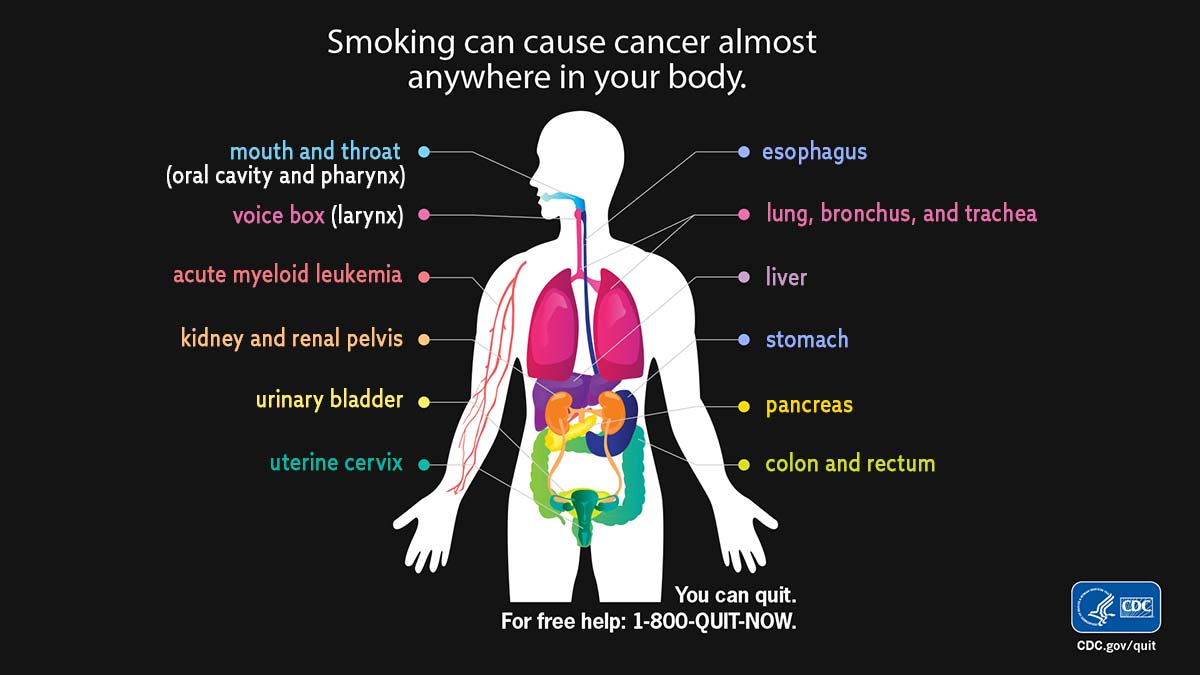
According to this article:
https://pmc.ncbi.nlm.nih.gov/articles/PMC10625450/
Smoking:
Smoking is undisputedly a significant risk factor in the development of many chronic illnesses in humans and thus is a hurdle in living a healthy and happy life. The adverse effects smoking has on the proper functioning of the human body should seldom be neglected. The impact of smoking on the various systems of the human body has been tried to be incorporated in this review article. To completely sum up the effects of smoking in a single article is nearly impossible, as hardly one could find an organ system that is unaffected by smoking. The health benefits that could be achieved due to smoking cessation and the overall well-being it could bring to the community is a highly desirable phenomenon. As smoking is a risk factor in the causation of various diseases, abstinence from smoking provides huge protection from several ailments. The issue of passive smoking also needs to be acknowledged and addressed appropriately to ensure the safety of those who don't smoke. Advanced research, which is currently ongoing, promises to achieve a greater understanding of the various unknown aspects of smoking and hopefully let these studies enlighten more and more smokers and prevent them from dooming their lives with smoke.
3. It's even worse, smoking affects others.
Indeed, second-hand smoke exposure is actualy a huge cause of diseases.
- - - - -
1. Secondhand smoke exposure contributes to over 40,000 deaths among nonsmoking adults and 400 deaths in infants each year
2. In adults, secondhand smoke can cause coronary heart disease, stroke, and lung cancer.
3. Children exposed to secondhand smoke are at increased risk for respiratory infections, ear infections, asthma attacks, and sudden infant death syndrome.
https://www.cdc.gov/tobacco/about/index.html
By smoking, you are not only harming yourself, but you are harming others around you too.
It goes beyond subjective experience ; it's also about causing problems to others.
Empathy is also on the lign.
4. Is it too late? Can you quit this "best friend" of yours? Is it a good idea?
Yes it is.
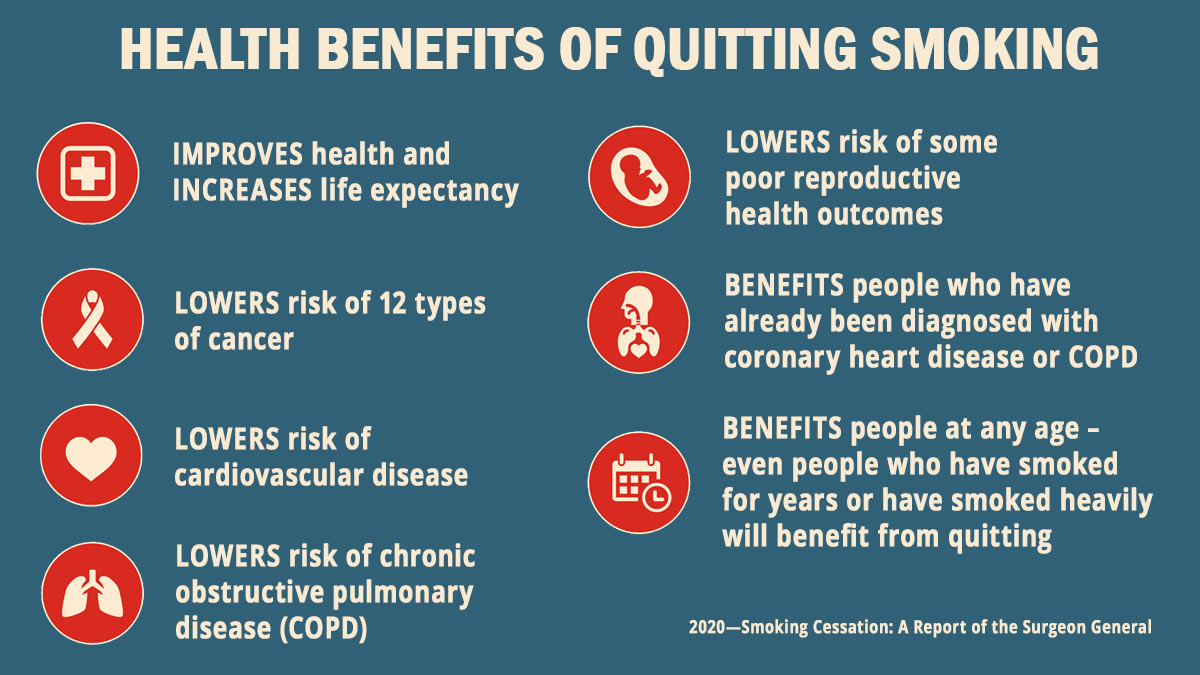
According to the center for diseases control:
https://www.cdc.gov/tobacco/about/benefits-of-quitting.html
Quitting smoking:
Reduces the risk of disease and death from cardiovascular disease.
Reduces markers of inflammation and hypercoagulability.
Leads to rapid improvement in high-density lipoprotein cholesterol (HDL-C) levels.
Reduces the development of subclinical atherosclerosis and slows its progression over time.
Reduces the risk of coronary heart disease with risk falling sharply 1-2 years after cessation and then declining more slowly over the longer term.
Reduces the risk of disease and death from stroke, with risk approaching that of never smokers after cessation.
Reduces the risk of abdominal aortic aneurysm, with risk reduction increasing with time since cessation.
May reduce the risk of atrial fibrillation, sudden cardiac death, heart failure, venous thromboembolism, and peripheral arterial disease (PAD).
In Fine (Synthesis)
(i) Empirical evidences are more important than subjective experience when it comes to the benefits or harms of an object (check 1.)
(ii) Empirical evidences show that smoking cigarettes is harmful (check 2.)
(iii) If an object is harmful, then in order to think rationaly and for your better good (check 1.), you should avoid the object.
(iiii) You should avoid smoking cigarettes.
Ps
Good Luck to my opponent !


 Pro
#1
Pro
#1