
 Pro
#1
Pro
#1
I. Framework
Minimum wage laws have been in effect in the United States for over a century at the state level, and nearly a century federally. Affordability is very prominent in today's political discourse, and so naturally, these laws have come under scrutiny, with many politicians suggesting that the federal minimum wage should be raised considerably to combat America’s “Affordability Crisis.” Oftentimes, the effectiveness of this policy is simply asserted, not proven, by those who advocate for it.
The emphasis of this debate will be on what direction the United States should take with its minimum wage policy, specifically whether these policies should be repealed. As mentioned in the description, the burden of proof will be on myself, Pro.
1. The Minimum Wage and Wage Growth
While there are a variety of justifications for the existence of a minimum wage, or an increase in that wage, few are as commonly argued as the need for wage growth. The most common form of this argument is to point to the fact that since the late 1960s, inflation has outpaced the minimum wage. This point is regularly demonstrated via the following comparison:
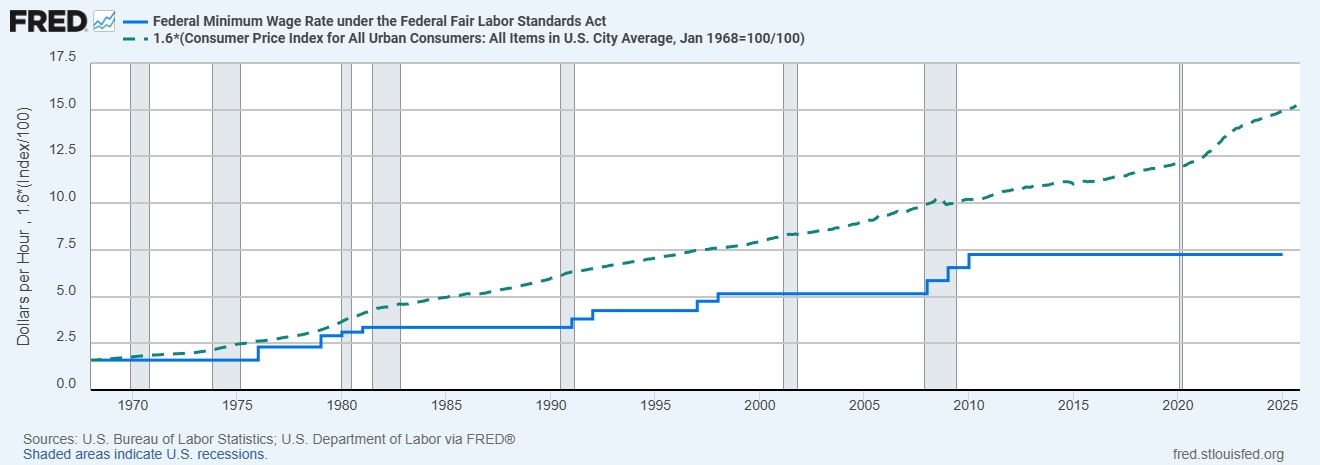
Fig 1a: https://fred.stlouisfed.org/graph/?g=1Pr5b
I believe this argument is fallacious for many reasons. Firstly, framing. By simply extending this graph to an earlier date, you can see that over time, the minimum wage has kept pace with inflation. Unfortunately, FRED only has CPI data from 1947 onward, but this effect can be seen even from that point:
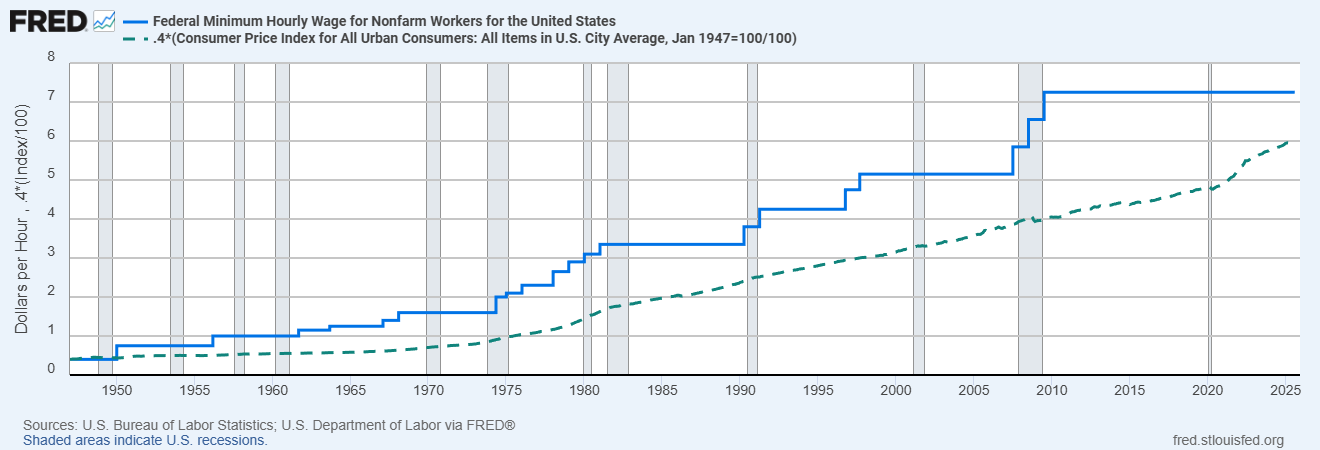
Fig 1b: https://fred.stlouisfed.org/graph/?g=1Prd4
Secondly, and much more importantly, this argument ignores the simple fact that the minimum wage does not determine the average wages of workers, even nonsupervisory workers. Even when you compare figures starting at the peak of the minimum wage in 1968, the real wages of production and nonsupervisory workers have outpaced inflation, with no correlation to the minimum wage whatsoever:
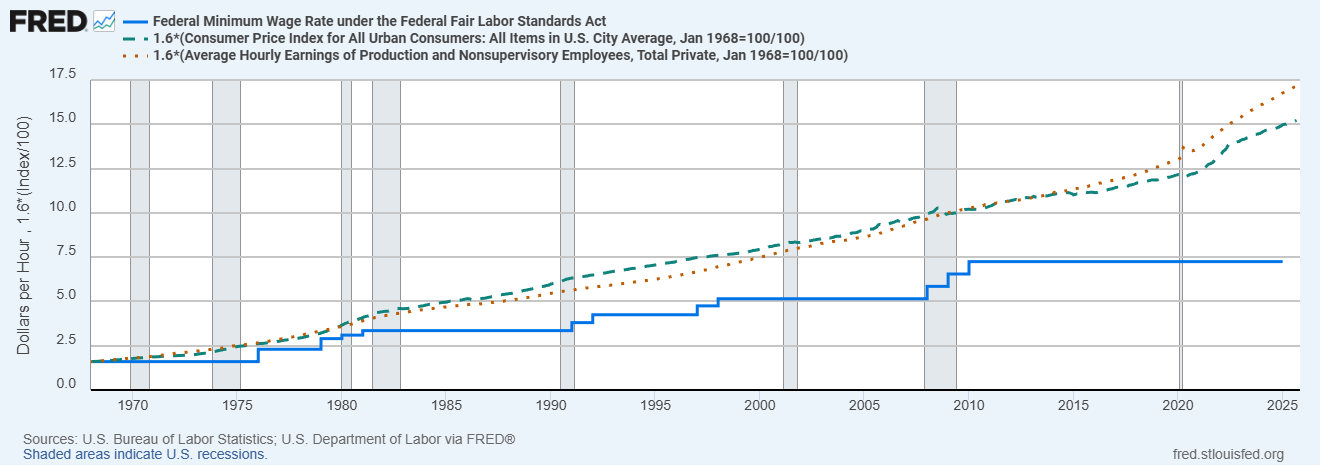
Fig 1c: https://fred.stlouisfed.org/graph/?g=1PrdM
This graph suggests that raising the minimum wage appears to have no statistically significant effect on wages for the average production or nonsupervisory worker. Take the years 1974-1981 and 2010-2025, for example. From 1974-1981, the minimum wage was more than doubled, along with inflation and wages. In the latter period, despite the minimum wage not moving an inch, wages increased by 70%, in a manner that is highly correlated with the rate of inflation. In short, the average wages of production workers have little to no correlation with the minimum wage.
Conclusion:
Throughout the history of the minimum wage in the United States, increases in the minimum wage have shown themselves to be ineffective at raising wages for production and nonsupervisory employees. Therefore, advocating for a minimum wage law to increase those wages would be a misguided approach.
2. The Minimum Wage and Unemployment
Following the findings of section one, the following question may be raised. “The minimum wage may be ineffective at increasing wages for most workers, but why not keep the wage as a safety net for workers of poor quality, who would otherwise be making less?” The answer to this query is that while it may seem to give workers a leg up, it functionally leads to job loss, rather than a wage increase.
Economically speaking, this argument is quite simple. It is not feasible for an employer to provide a wage to an employee that leads to a net loss. In other words, if the minimum wage is set at 10 dollars an hour, and an employee only produces a value of 9 dollars an hour, an employer will not begrudgingly pay that employee 10 dollars and lose money. Rather, the employer will fire that employee and only higher workers who will produce enough value for that employer to gain from the transaction. The worst aspect of this situation is that the workers who are harmed by a wage floor are often those who are already worse off economically speaking, because they are less likely to have proper schooling, job experience, etc.
It is important to note that overall, increases in the minimum wage do not have discernible effects on overall unemployment. While it is the case that unemployment has typically been reduced as the minimum wage remains stagnant, and increased as the minimum wage increases, those effects are directly correlated with recessions in the United States. During times of economic strife, unemployment is high, and wages are raised. The unemployment argument stems not from a viewpoint surrounding the overall effect of wage laws on the economy, but a focus on workers who are unable to demand such high wages. Given that the percentage of workers in the United States making minimum wage currently sits at %1.0, this portion of the workforce is incredibly small, but it is still important to acknowledge the effect that minimum wage laws can have on these individuals, especially given that they are already in a disadvantaged position economically speaking.
3. Effects of a repeal
Now that I have established my views on the current effects of the minimum wage, I would like to discuss the potential effects of repealing the law and refute a common argument surrounding it.
The argument I find most problematic is that if the law were to be removed, companies would abuse the lack of legislation to pay their employees extremely low wages. This argument is demonstrably untrue via a simple analysis of our current situation.
First, most companies already pay far higher than the minimum wage. As previously mentioned, only %1.0 of workers in the United States make minimum wage. In addition to this, many companies that have extremely large workforces have a minimum wage within their companies, set much higher than the federal minimum wage. For example, Amazon has a minimum wage of $15, as of 2024. If Amazon were able to use its outsized influence over the American workforce to reduce wages, why wouldn’t it be paying its employees less? The truth is, companies are competing for a limited supply of workers, with or without a minimum wage. Amazon has not tried setting a high minimum wage for its employees because Jeff Bezos has a kind heart. Amazon has set wages to that figure because, for one reason or another, they believe that setting wages that high will benefit them. While I am not an Amazon executive, I would assume that setting wages that high helps them retain employees, improves happiness/performance, and gives individuals seeking employment more incentive to work for Amazon, rather than choosing a similar job elsewhere.
This trend of base pay being higher than minimum wage is not confined to Amazon; many other companies have done the same. Walmart, Target, Starbucks, and IKEA are just a few examples of companies setting these wage floors.
In short, you do not need a minimum wage law to force employers to increase starting pay, and it is unlikely that these companies would make changes to their current wage policies. If they truly had the power to limit employee wages, they would already be limiting those wages to the current federal minimum.
4. Conclusion
Contrary to popular belief, the minimum wage has little to no influence over the wages of production and nonsupervisory workers. Those wages rise with or without a rise in the minimum wage. Instead of providing workers with higher wages, minimum wage laws simply price unskilled workers out of the job market, as hiring them becomes economically unsustainable, further worsening their economic strife. Removing these laws would prevent this unfortunate effect from occurring and would not lead to mass reductions in wages, as discussed in section 3. Therefore, the United States should seek to remove the restrictions imposed by the Fair Labor Standards Act and similar state policies.