
 Pro
#1
Pro
#1
Thank you, Con, for joining this debate.
Note: This debate concerns whether moral truths depend on God, not whether God exists.
My position:
Morality can be grounded in reason, and in the conditions for conscious beings to flourish, without any divine authority.
The rationale behind my position:
I define “good” as promoting well-being and reducing suffering, and “bad” as increasing suffering.
As Sam Harris argues with his book “moral landscape,” different actions lead to different levels of flourishing or suffering. Sam Harris proposes peaks(maximum flourishing) and valleys(maximum suffering). Different cultural actions and structures lead to different points on this landscape. This allows science to determine what behaviors are objectively better or worse.
Just as medicine objectively studies health, we can objectively study well being and harm. I.e, certain medicines are better for our body than others, just like how certain actions are better for us.
Many popular philosphical models(ethics) of morality, observed the same. Philosophers such as Immanuel Kant and also Peter singer grounded morality in rational duty, promoting well being, and minimizing suffering.
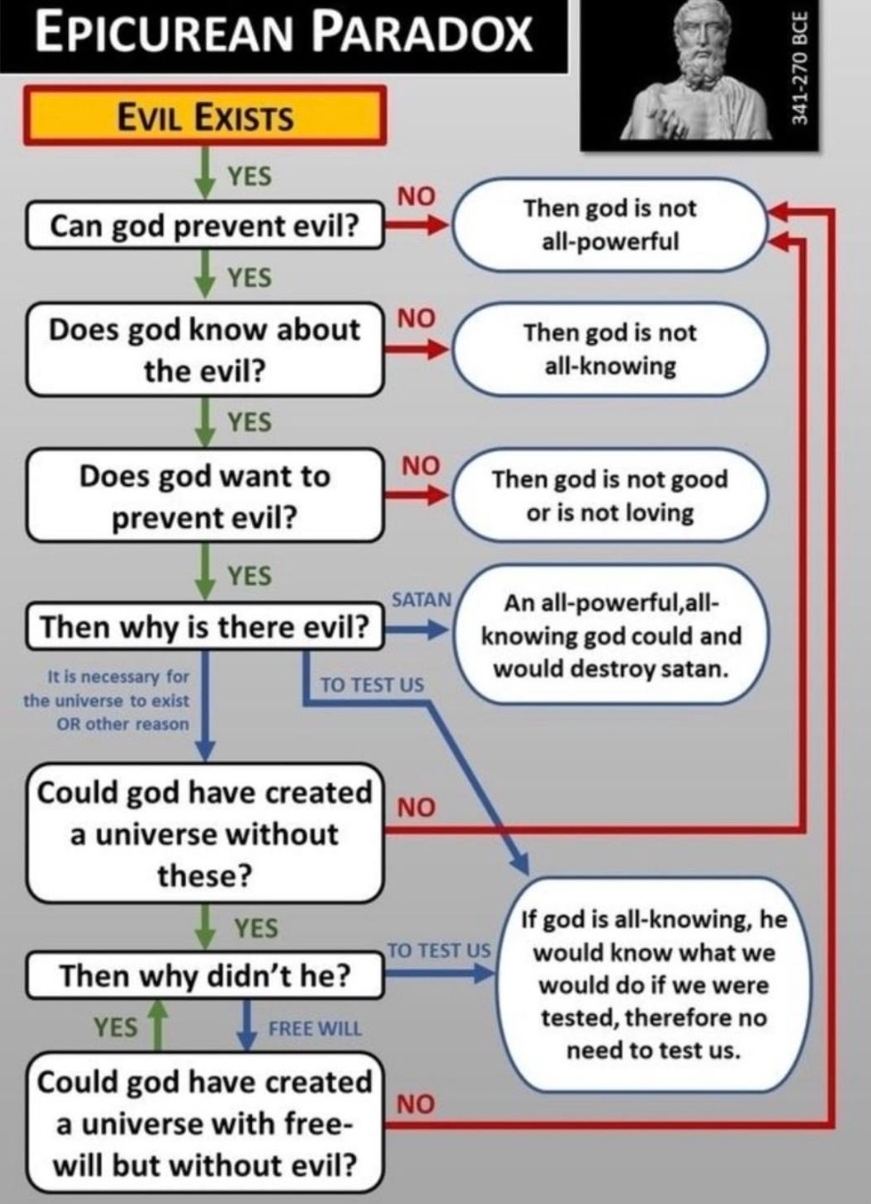
I'd like to point to the Euthyphro Dilemma(Plato),
Which basically says: If actions are good because God commands them, morality becomes arbitrary. If God commands them because they are good, then goodness exists independently of God.
Therefore, morality does not require God/gods. It can arise from human nature as seen by humans' rational reflection, and the realities of conscious experience of all beings we know of.
Lastly, my opponent must show that without God/gods, morality cannot exist or cannot be objective. I will show that this is not the case.