
I think you could characterize humanity as an animal that uses language, and I suppose a puerile contrarian would say “Except that humanity includes people that can’t talk”, but it would just be pointless.
Given that up to a quarter of humanity are religiously unaffiliated and up to 10% of humanity have no spiritual beliefs, it's not a small thing to gloss over when characterizing humanity.
In my view, agnosticism isnt distinct from belief or non-belief. There can be agnosticism on either side of the belief divide.
Well that's certainly a novel definition, I wonder why it’s a word in the first place then. If there are only two categories, why even name a third category?
Except this is not a novel definition. Agnosticism is a position of knowledge rather than a statement of belief. The word itself is derived from greek 'a' and 'gnosis' meaning 'without knowledge'. Ie. agnosticism isnt a third position, it is in a category on its own.
Humans are predisposed to believe, but that is not the same thing as innate belief.
You seem to want to make this conversation all about words, do you even remember what it is supposed to be about? If you do, that would be what we call context.
The context is you claiming human cultures 'always' having a spiritual component means humanity has a built-in spiritual element. I am arguing against this in two ways:
1. large groups of humans dont subscribe to the religion or the supernatural.
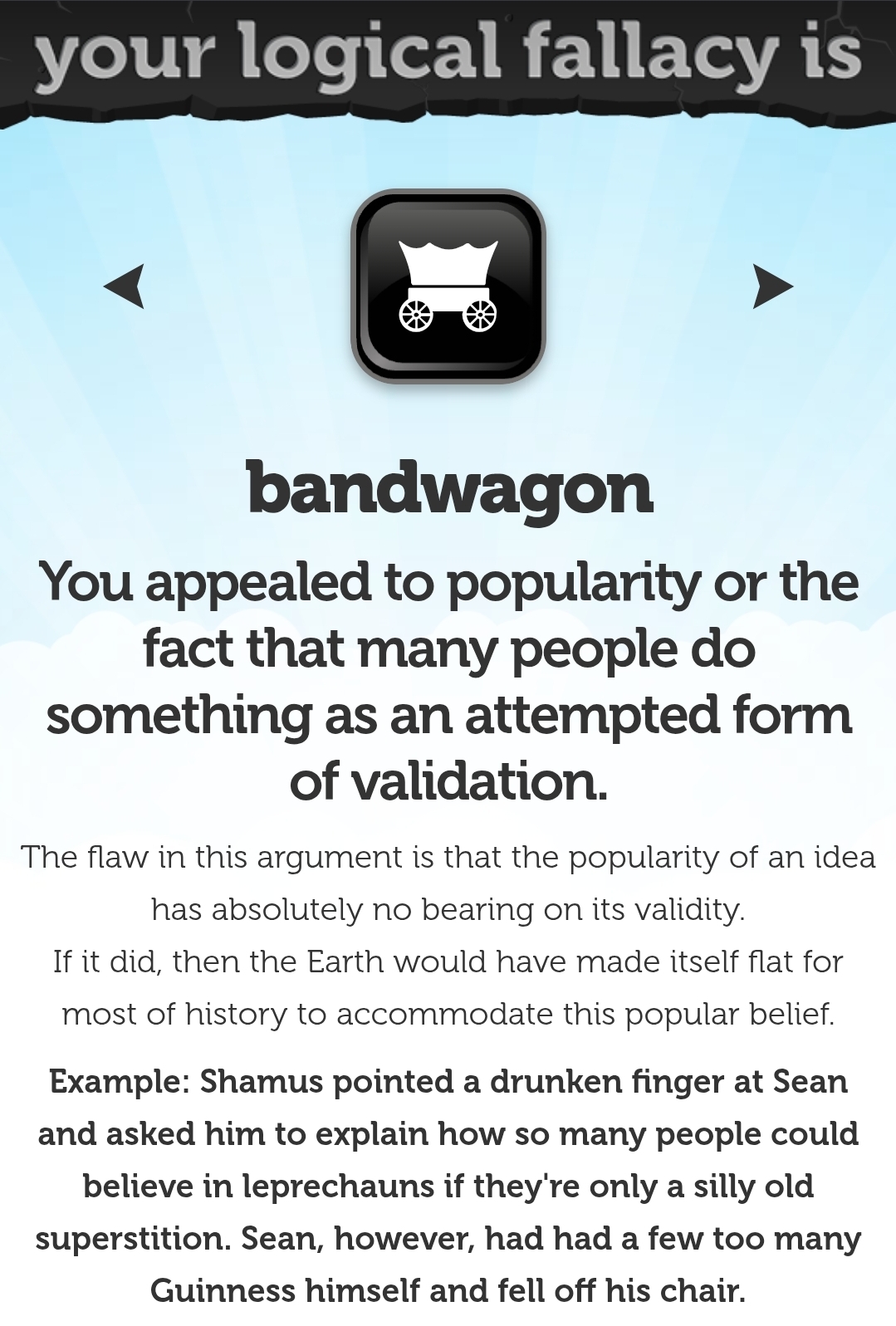
2. The desire to fit in and the impact a social group can have on personal views should not be overlooked, especially when attempting to describe an epistimological snapshot of the human brain a priori.
I'll just point out, Christianity is not mentioned in what you are replying to, AND neither of our religious views are relevant to this conversation. This is a distraction for you.
OK, so you don’t get the whole context thing, got it.