


Clearly, a person needs high mental faculties to sustain a 12-year trolling streak among his devout TDS haters.
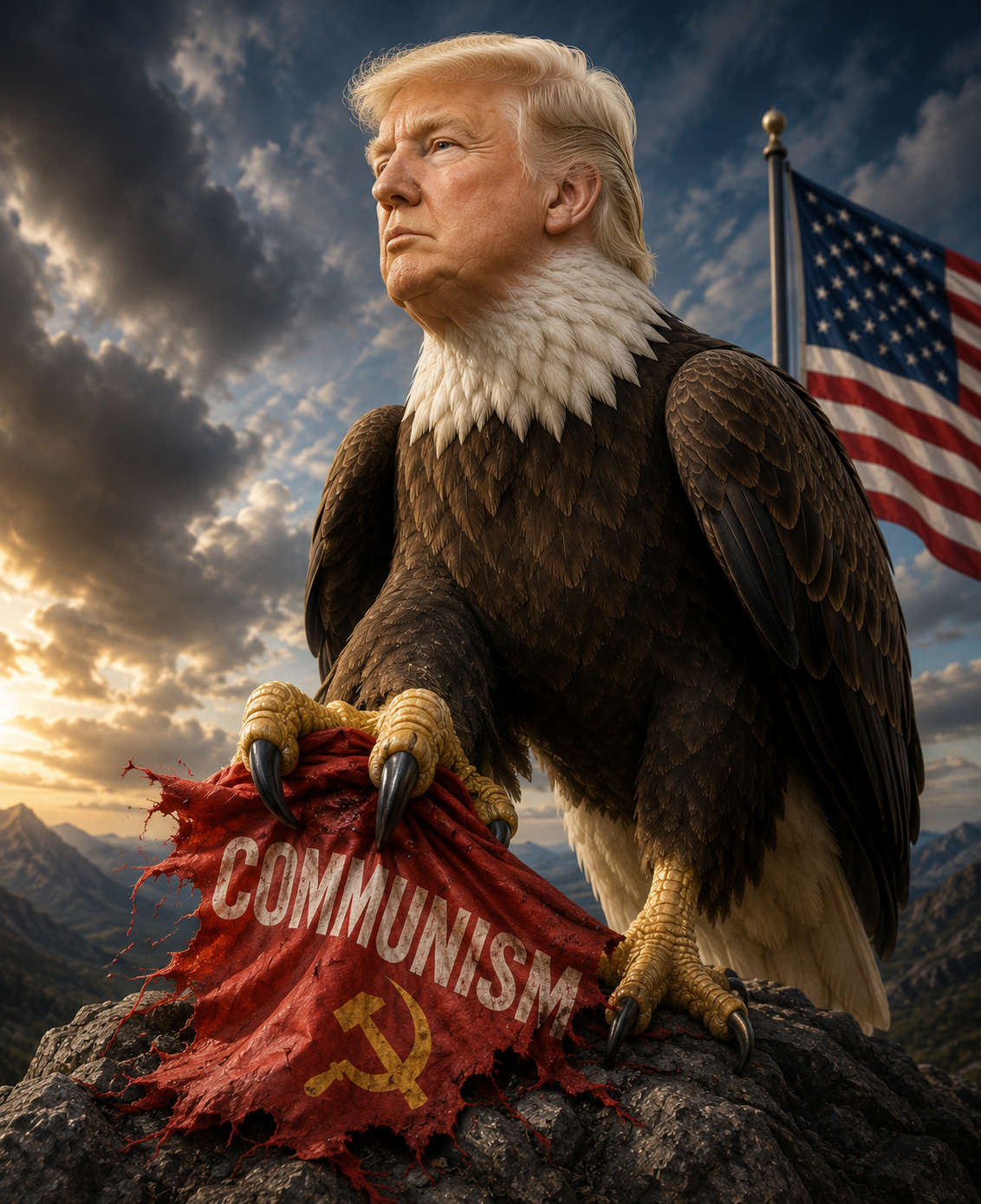
Tax and spend is also "trickle down"
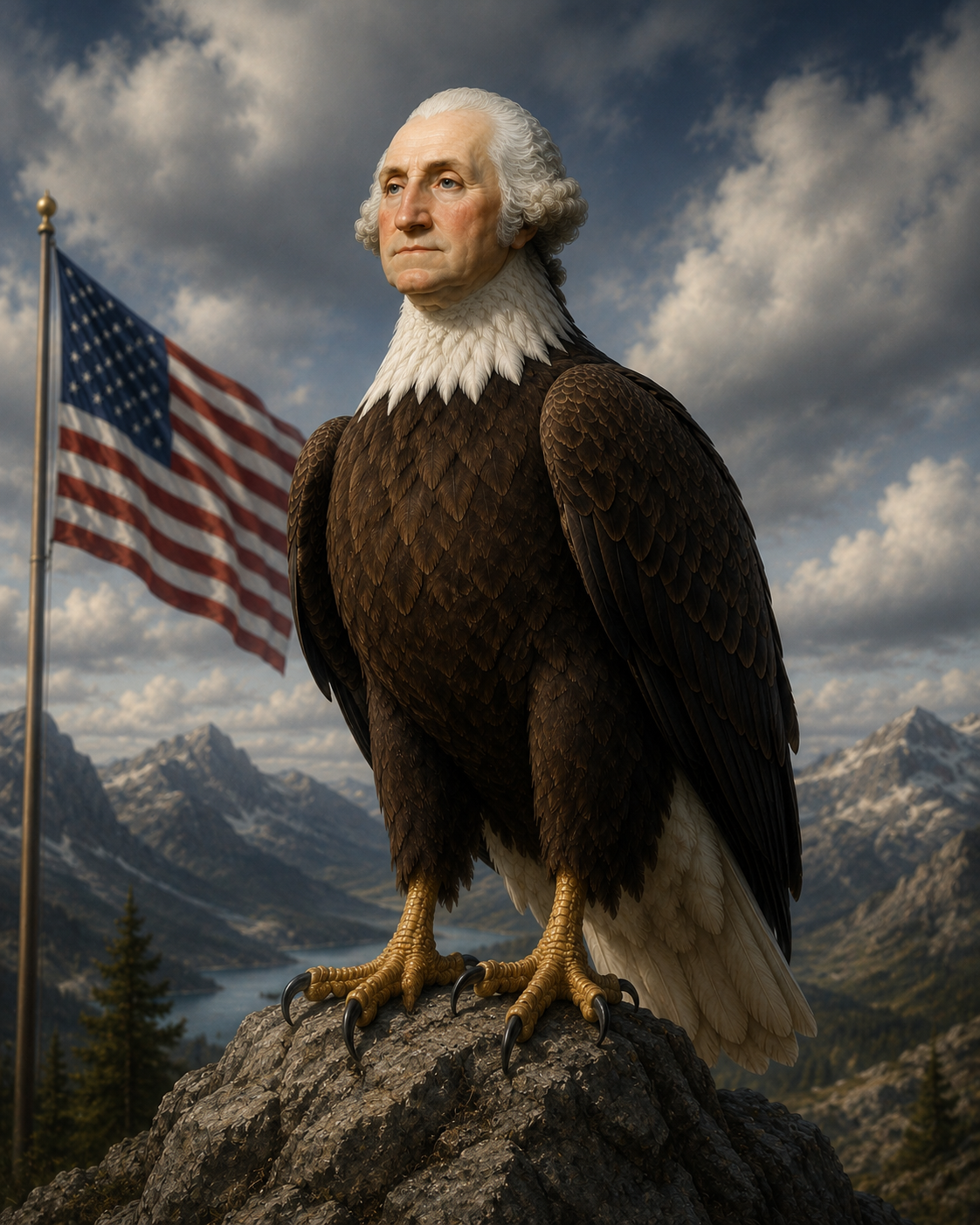
Or eating the meat of a pregnancy termination.
Men will have the right to choose AI wombs and make their own clumps of cells to kill as they see fit.
It's just a clump of cells hindering a woman's choice.
-excerpt from Woke Kampf
I see no indication MAGA is into Communism.
No wonder so many of your Americans voted for MAGA.
Why did you feel the need to replace Communism with human trafficking?
I suppose you could equate the two since it trafficks humans to the bread lines.
2 percent of 4 million is still 80,000 people a year, most of whom have documentation as a US citizen on paper, but many are living abroad in a foreign country with their non-American parents. They may or may not learn English, they may or may not learn any US history, they may or may not currently reside in a rival country, and may even be raised in a culture that stands for most things Americans culturally despise, like racism, female subjugation, slavery, and communism.
Birthright citizenship puts the entire "citizen of the world" experiment on full tilt. I think the last great nation that tried this was Rome. Giving legal citizenship out like candy to the world with no shared culture or any standard of cultural assimilation has consequences.
Those are questions worth discussing and debating.
Financially liberal means that people who manage must seize the assets and property of people who produce.
That fits the financial model of all religions that extort funds into the collection basket with fear propaganda/dogma.
Luckily, the 1 person doesn't decide Justice. The other 8 can do that just fine.
Did they all do a degree in qualified and normal at university.
Lol, you mean schools are like prison in the USA where they "do" the time? I'd take a step back if you think a 2026 degree in the USA teaches normalcy or mostly practical theories. Self-reading will always trump any of that. And you get a lot better sense of normalcy by removing yourself from the normal theory bubbles for experience from time to time. Or be a sheep and call it normal. That's okay too.
It's pretty easy, actually, 8 people out of 9 in charge are completely qualified and normal.
Maybe the one-drop rule can save the kids of the world.
Nonetheless, "government" as in authoritative and controlling national bodies are there to define lines.
And the USA has a controlling 2nd branch to rein in that authority.
So long as speech isn't crossing a line...
So long as the government isn't defining the lines...
I suppose every baby on the planet is a white supremacist for wanting a mother at the home.
You fell into the trap of the false dichotomy of capitalism vs socialism.
Objectively, all over the world, either or both together can work just fine in a MINIMALIST government. That's the REAL issue.
The most important question is the scope of government, not the label attached to the economic system.
Laissez-faire can't work without minimal property rights enforced by the government, and the free market can't work with a maximal government.
Maximal Socialism is straight-up Communism.
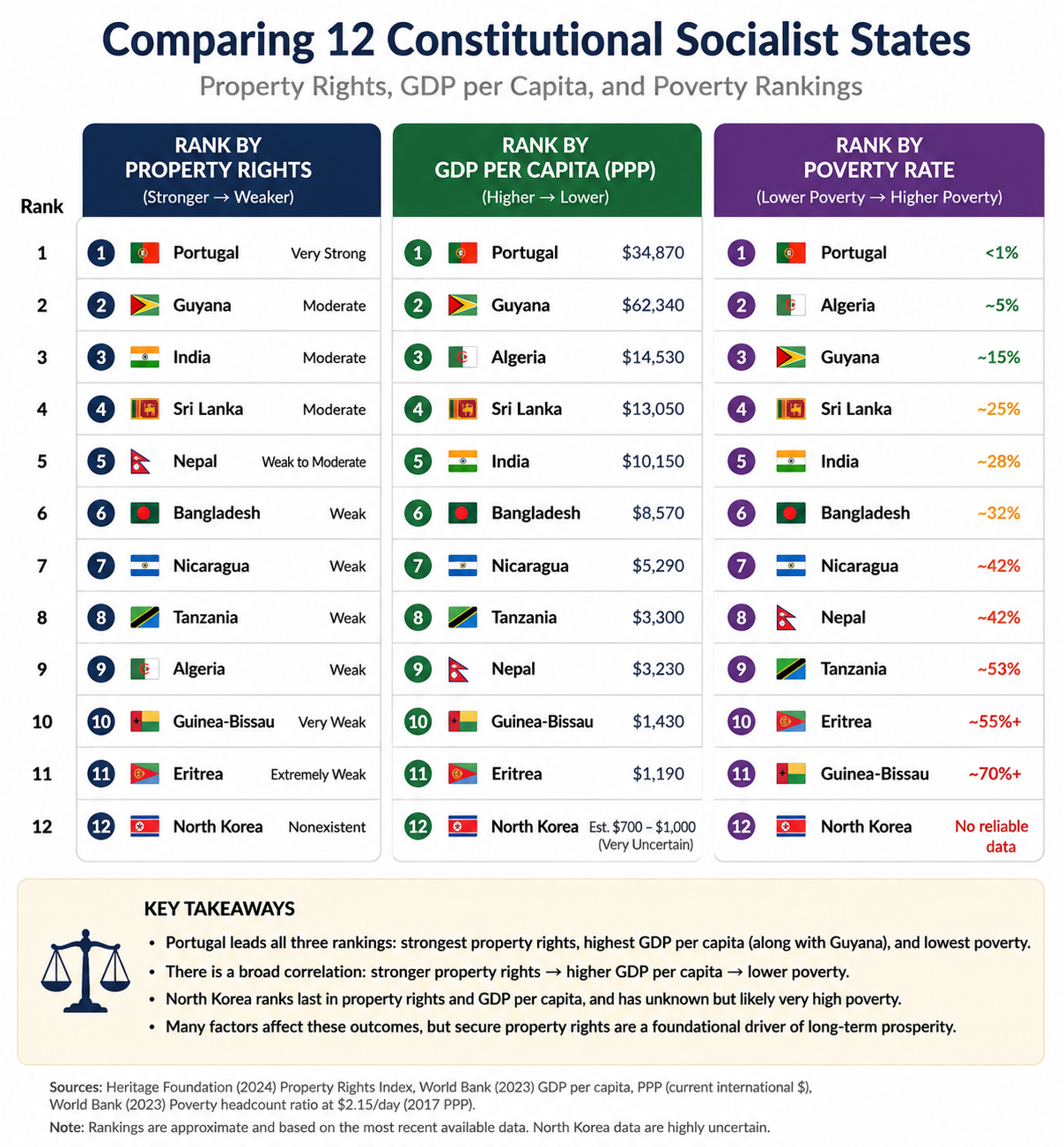
The radical left communist wing took a page from the MAGA playbook. When your opponent stands for nothing, the voters will support a promise for ANYTHING.
I thought you hated Trump?
Some hyperboles are more believable than others. Saying "agreed" to every hyperbole....
You agree with all 7? Don't you feel the slightest urge to question a single one?
You should change your user name.
"One of the painful signs of years of dumbed-down education is how many people are unable to make a coherent argument. They can vent their emotions, question other people's motives, make bold assertions, repeat slogans... anything except reason."
Maybe because government programs have evolved to have only one solution in 2026. Who can blame the boomer wolves for taxing the rich working youth sheep when that's what half the country thinks is a viable, if only solution? If Democracy is when 2 wolves and a sheep vote on what's for dinner, why is it worth saving again? I remember a long time ago when your founders thought people's worth and property deserved constitutional protections, not fleecing through unrestricted democratic majority votes.
It's a perfect representation of how great America is now, when the top complaint is plants growing.
Careful, someone might brand you with the scarlet MAGA letter for straying far from the tribe.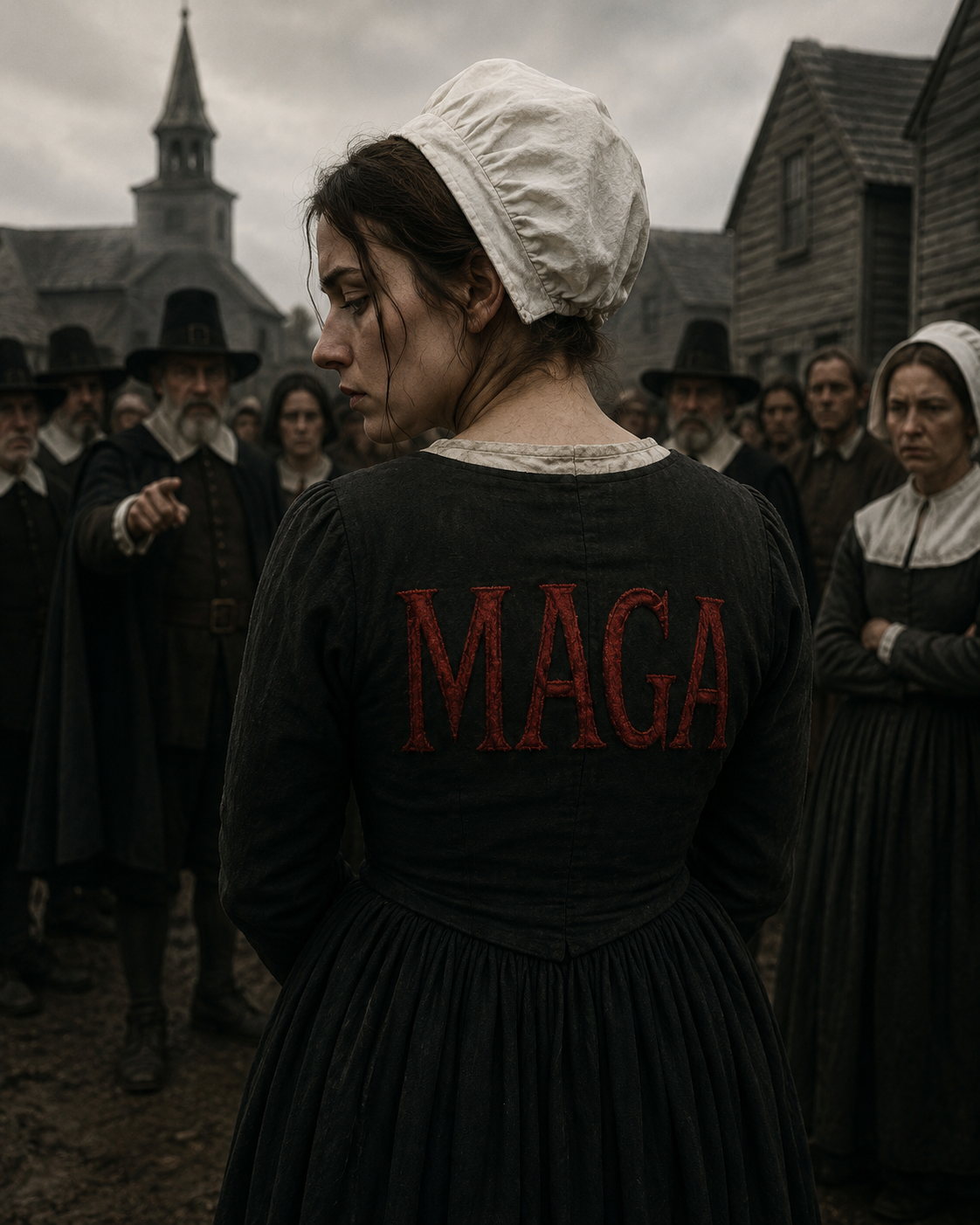
Already asked and answered. If you are going to argue against the natural disorder of the world, do it with your full throat, because so far, you have been using about half of another part of the human anatomy. And it's also ironic that the definition of absolutism, including absolute rights, is labeled "progressive" in today's more than unenlightened time.
I just did.